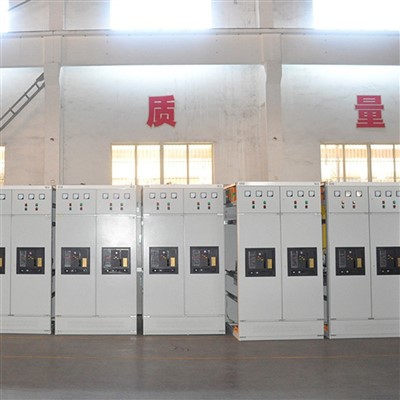
The choice of materials for power distribution equipment directly affects its protective performance, corrosion resistance, mechanical strength, and applicable environment. Depending on the application scenario, common materials mainly include the following categories:
Stainless Steel
Common Models: 304, 316 Stainless Steel
Features: Strong corrosion resistance, fire retardant, high mechanical strength, clean and easy-to-clean appearance, supports surface treatment processes such as wire drawing, sandblasting, and passivation.
Applicable Environments: Widely used in coastal areas with high salt spray, chemical plants, cleanrooms for food and pharmaceutical industries, sewage treatment plants, and other places with high corrosion resistance requirements.
Advantages: Can achieve IP55 or even IP66 protection rating, long service life, and low maintenance costs.
Galvanized Steel Sheet
Process Type: Hot-dip galvanizing or electroplating
Features: The zinc layer effectively isolates moisture and oxygen, significantly delaying the oxidation and corrosion of the substrate, especially performing excellently in humid, salt spray, and dusty outdoor environments.
Applicable Environment: Commonly used in outdoor temporary distribution boxes, construction site power distribution, park monitoring boxes, street light control cabinets, and other unshielded locations.
Standard Basis: GB/T 23444-2009 recommended for electrical enclosure manufacturing.
Cold-rolled steel sheet (powder coated)
Features: Lower cost; provides some rust prevention and insulation after electrostatic powder coating; available in various colors; aesthetically pleasing and practical.
Applicable Environment: Suitable for dry, non-corrosive indoor environments, such as ordinary commercial buildings and residential electrical distribution rooms.
Limitations: Prone to rusting in humid or corrosive environments; relatively low protection level.