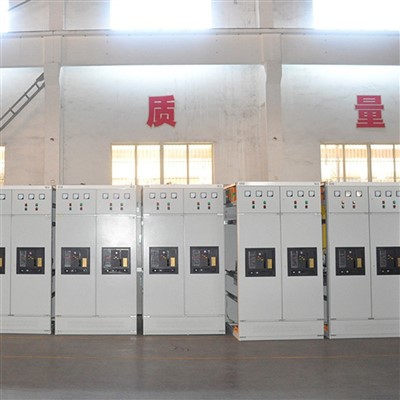
An energy storage system is a technological system that stores energy (mainly electrical energy) through a medium or device and releases it in a specific form when needed. Its core function is to solve the mismatch between energy supply and demand in time and space.
Simply put, an energy storage system is like a "large power bank," storing electricity when there is a surplus and discharging it when there is a shortage, thus achieving functions such as peak shaving and valley filling, smoothing the output of new energy sources, and improving grid stability. It is widely used on the power generation side, grid side, and user side, supporting the large-scale integration of renewable energy sources such as wind power and photovoltaics.
Based on the different forms of energy storage, energy storage systems are mainly divided into the following categories:
- Mechanical energy storage: such as pumped hydro storage, compressed air energy storage, and flywheel energy storage
- Electrochemical energy storage: such as lithium-ion batteries, sodium-ion batteries, and flow batteries
- Thermal energy storage: such as sensible heat and latent heat energy storage
- Electromagnetic energy storage: such as supercapacitors and superconducting energy storage
- Chemical energy storage: such as hydrogen energy storage Currently, electrochemical energy storage, represented by lithium iron phosphate batteries, is developing the fastest, accounting for more than 90% of the total installed capacity of new energy storage systems and is the current mainstream technology direction.